
By Elaine de Mello, NAMI New Hampshire
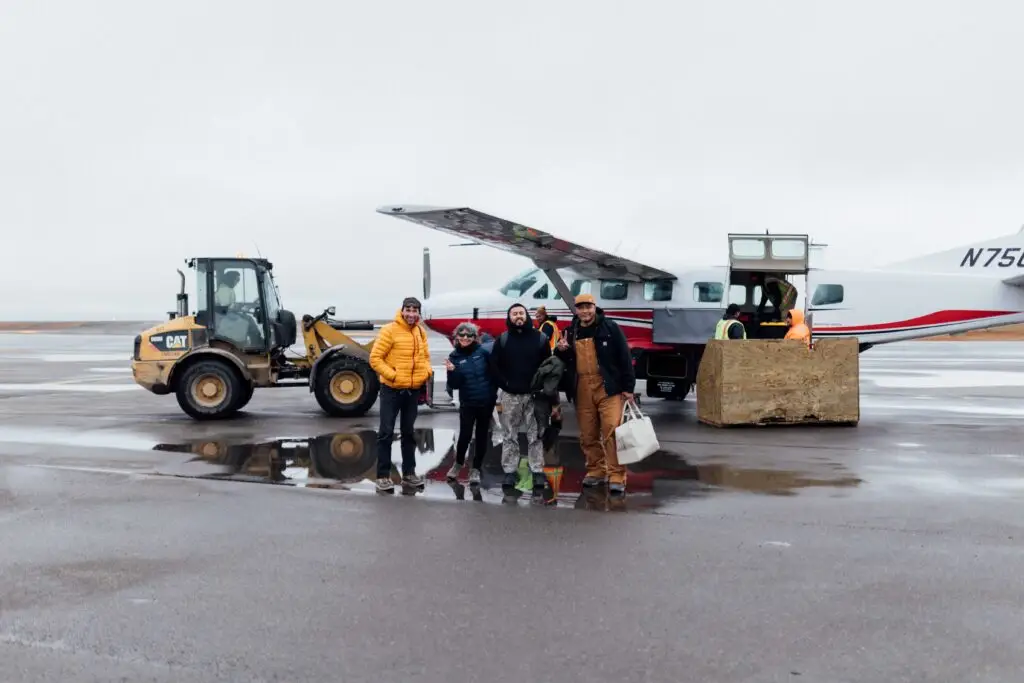
In August and September 2025, I returned to Alaska to provide ConnectTM Suicide Prevention and Postvention trainings across the state. NAMI New Hampshire has trained in Alaska annually since 2010, and this year my travels took me to Ketchikan, Utqiagvik, and five North Slope villages—Kaktovik, Nuiqsut, Point Hope, and Anaktuvuk Pass—as part of a statewide mental health tour.
The Urgent Need
Alaska’s suicide rate of 28.5 per 100,000 people is the highest in the nation—nearly double double the national average of 14.7. In some rural regions, rates exceed 70 per 100,000.
The contributing factors are complex: geographic isolation, limited access to services, extreme weather, restricted transportation, and unpredictable light patterns—24 hours of darkness in winter, 24 hours of light in summer. Yet despite these realities, there is extraordinary resilience.

Community-Centered Prevention
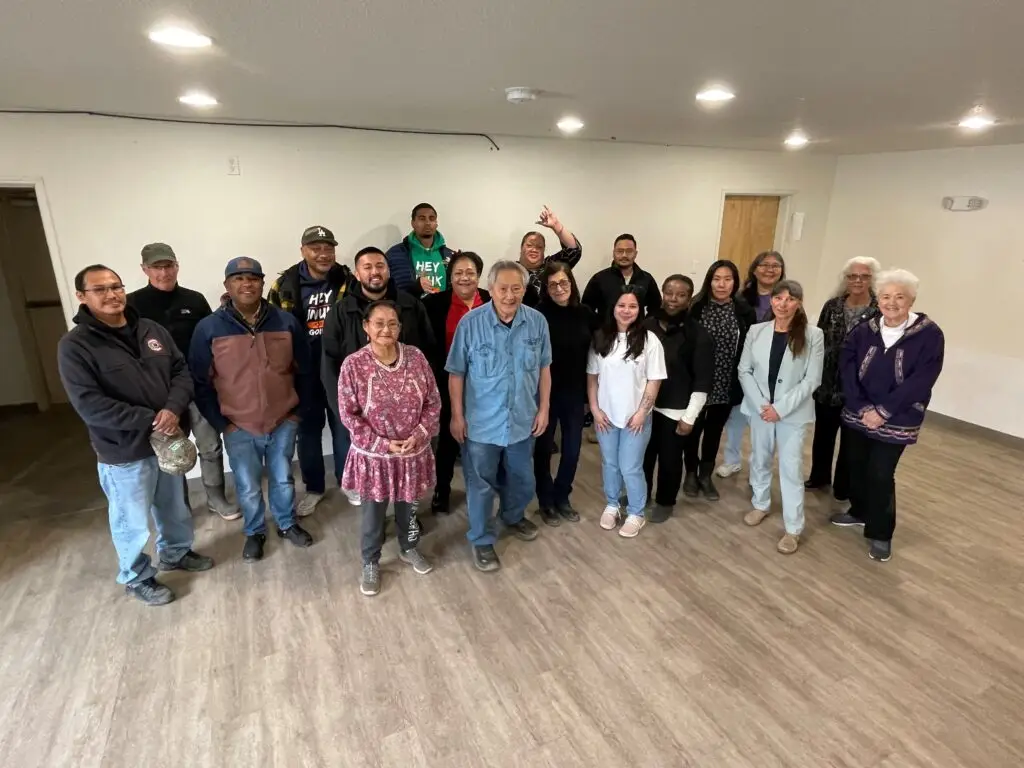
In the North Slope Borough, I joined a mental health tour hosted by North Slope Borough Behavioral Health Services. Each village visit began with an evening “carnival”—games, food, and mental health resources in community centers or school gyms. In communities of 300 people or fewer, attendance often exceeded 100 residents.
These carnivals created entry points for deeper conversations. ConnectTM Suicide Prevention trainings for adult community members followed, with participants including mayors, business owners, first responders, and other community members. But here’s what struck me: scheduling was flexible. If salmon were running or whales moving through, trainings shifted. Subsistence is survival. This wasn’t a disruption—it was a reminder that suicide prevention exists within the fabric of daily life, not outside it.
Building Sustainable Infrastructure
Across Alaska, communities are building regional and village-level wellness coalitions, reducing stigma, implementing Zero Suicide approaches, and strengthening cross-sector safety nets. Two-day Postvention training and planning sessions brought diverse stakeholders together to prepare coordinated responses after suicide deaths. In some communities, these plans have been activated in real time following tragedy.
Participants consistently expressed gratitude: “This is just what our community needed.” “Communication is key.” We facilitated discussions about resource gaps, clarified expectations across sectors, and strengthened trauma-informed networks.
What I Learned
One of the most powerful lessons from Alaska is that suicide prevention cannot be separated from relationships and culture.
In villages where families are interconnected and residents have lived their entire lives, suicide is rarely abstract—it’s personal. Those lived experiences become doorways to hope and healing.
Evidence-based practices must include not only clinical care but also the protective power of culture, ancestry, community, and shared responsibility. When a whale is caught, the entire village shares in the celebration and the food. Those who hunt accept real danger for the good of the whole. That ethic—putting oneself at risk for community—reflects the heart of suicide prevention: we carry each other when someone cannot carry themselves.
What We Can All Learn
In remote parts of our country, people experience both the impact of suicide and the absence of systemic resources. Protective factors—relationships, family, faith, shared responsibility—are not optional; they are essential.
Social capital and connectedness are powerful prevention tools. A comprehensive, whole-community approach is sustainable and effective. We cannot substitute technology for human connection.
No matter where we live, we are all in this together. Suicide affects every community—and every community holds strengths that can be amplified in the work of prevention and healing.
I am grateful to continue walking alongside Alaska’s leaders, providers, and residents as we strengthen the safety net—together.
The Connect Suicide Prevention program offers comprehensive training services in suicide prevention and postvention response. Learn how our tailored approach can strengthen your community’s ability to prevent suicide and support those affected by loss. Contact us at info@theconnectprogram.org to learn more.

