
Blog
Words Matter: When a Suicide Prevention Workshop Actually Feels Fresh
By Amy Cook, MBA, Director of Training, NAMI NH
“I wasn’t really looking forward to this training.”
We hear that a lot from school staff during mandatory suicide prevention trainings. After all, educators are required to complete two hours of suicide prevention training every year—and if you’ve sat through multiple trainings on the same topic, they can start to feel pretty similar.
But then this educator stayed after our new “Words Matter” workshop and shared something different: “I’m so glad I came. This was actually meaningful.”
That’s the feedback we’ve been hoping to hear.
Why We Created Something New
Over the past several years, teachers, counselors, and school administrators have been telling us the same thing: suicide prevention training can feel repetitive. And honestly, they’re right. Most suicide prevention programs cover similar ground in similar ways. We recognized that educators needed something that didn’t just check a compliance box—they needed training that would actually engage them, challenge their thinking, and leave them feeling equipped to make a real difference.
So we created a series of topic-specific workshops designed to go deeper. These aren’t meant to replace foundational suicide prevention training; they’re meant to expand on it. To explore specific issues with real nuance. To be interactive, meaningful, and yes—actually interesting.
One deep-dive workshop is “Words Matter,” and it’s all about safe messaging and the power of language as it relates to mental health and suicide prevention.
The Power of a Single Word
Here’s what we discovered: educators are hungry for this kind of focus. When you take something as seemingly simple as language and give people real time to explore it, something shifts in the room.
“Words Matter” examines how the language we use can:
- Reduce or reinforce stigma around mental health and suicide
- Promote or discourage help-seeking behaviors
- Differ significantly across age groups—what resonates with a 5th grader lands differently with an 8th grader
- Shape perception and behavior in ways we don’t always realize
But more importantly, the workshop helps educators understand this: You already have the power to make a difference. It starts with the words you choose.
That’s not abstract. That’s empowering.
What Happened in the Room
When we recently brought “Words Matter” to a K-8 public school, something genuinely special happened. The energy was different from the start. Educators weren’t just sitting and listening; they were actively thinking, discussing, and sharing their own experiences with language—both the harm words can cause and the healing they can create.
The conversations were real. People were considering the language they use every day. They were thinking about how a single word choice might impact a student’s willingness to ask for help. They were recognizing moments in their own practice where they could do better.
By the end, participants weren’t just checking off a training requirement. They were talking about how they felt empowered—like they had concrete tools and a renewed sense of agency about the difference they could make.
One educator summed it up: “I came in skeptical, but this was different. This actually made me feel that I can do something.”
Making Mandates Meaningful
Here’s what we’re learning: when educators are given time to deeply explore a specific topic that connects to their daily work, something shifts. Compliance becomes engagement. A checkbox becomes a moment of genuine learning and reflection.
The “Words Matter” workshop is just one example of what’s possible when we move away from one-size-fits-all training. By creating space to really think about how language shapes our world, we’re helping educators become more thoughtful, intentional advocates for mental health in their schools.
And maybe that’s the real power of this work: helping educators recognize that suicide prevention isn’t something that happens only in crisis moments. It happens in the small, everyday choices we make—including the words we speak.
Because words do matter. And when individuals recognize that, they become agents of change.
The Connect Suicide Prevention Program offers comprehensive training for schools and communities, including our new topic-specific workshops designed to deepen learning and engagement. Interested in bringing “Words Matter” or another Connect workshop to your school or organization? Learn more at https://TheConnectProgram.org or contact us at info@TheConnectProgram.org.
Is Your Community Ready? Introducing the Connect Postvention Readiness Assessment
When Tragedy Strikes, Readiness Can’t Wait Until Then
When a community loses someone to suicide or another sudden death, the ripple effects reach far beyond the immediate circle of grief — coworkers, classmates, neighbors, and entire organizations can feel the impact for months or years. The communities that respond best aren’t the ones scrambling to figure out what to do in the moment. They’re the ones who took an honest look at where they stood before a crisis ever occurred.
That’s exactly what NAMI New Hampshire’s Connect™ Postvention Program helps communities do — and we’re excited to share a new tool that makes that first step easier than ever.
Introducing the Postvention Readiness Assessment
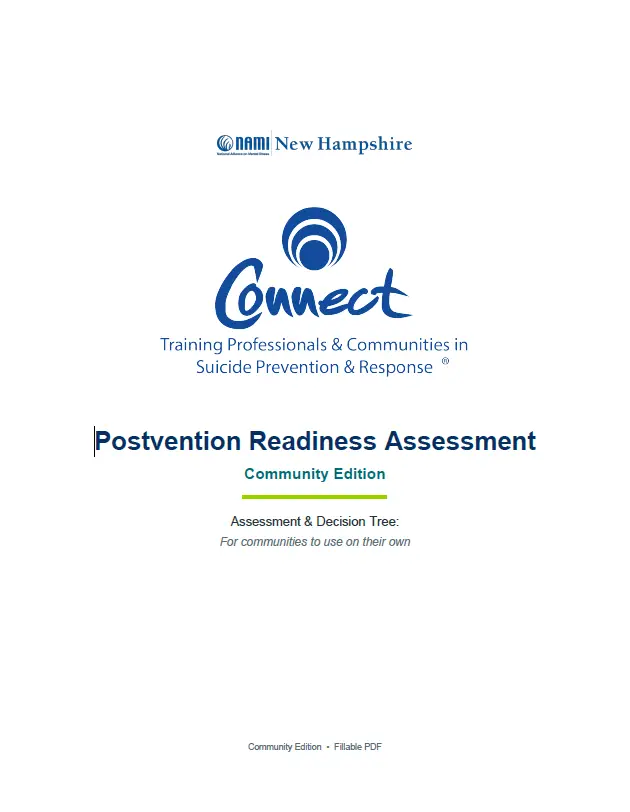
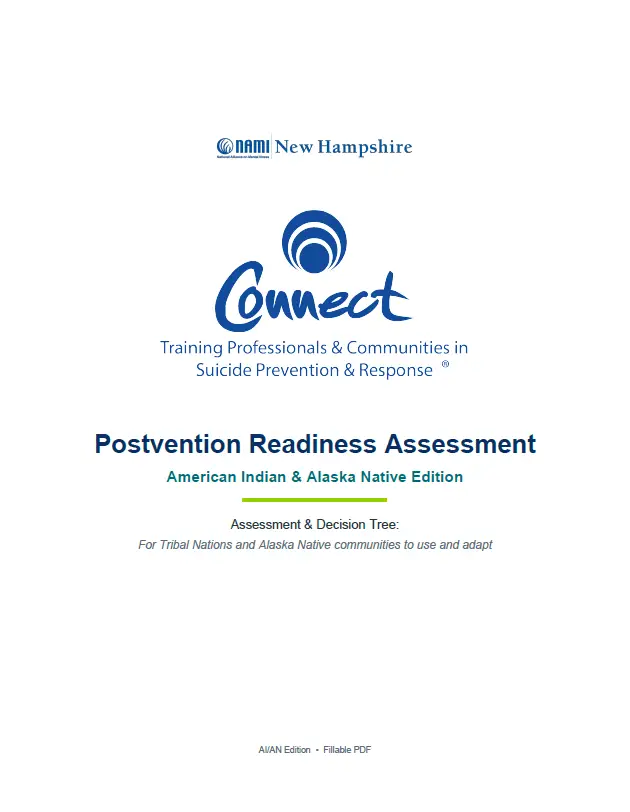
Today we’re releasing the Postvention Readiness Assessment — Community Edition, a free, self-guided toolkit that helps any organization or community gauge how prepared it is to respond to a suicide, a drug poisoning (overdose) death, or another sudden loss.
The toolkit has two parts. The Readiness Assessment walks you through seven sections and seventeen questions covering motivation, awareness, infrastructure, coordination, capacity, readiness for action, and existing strengths — plus a simple scoring guide to total your results. The Decision Tree then translates that score, along with a few real-time considerations, into a clear, recommended next step for your community.
Built for Two Audiences, One Goal
We designed this edition with two groups in mind. If your community is about to reach out to NAMI NH for support, this assessment is the natural first step — our Connect team members may ask you to complete it before your first conversation, so we can meet you exactly where you are.
We’re also making it available to everyone who attends our conference sessions and workshops. Take it back to your own community, work through it with your team, and see what your results suggest. If they point toward reaching out, we’d welcome that conversation — but there’s no obligation either way.
What’s Inside
Each of the seven sections opens with a short description of what an actually ready community or organization looks like, so you’re not just answering questions in the abstract — you have something concrete to measure yourselves against. From there, a simple numeric scale, along with a few multiple-choice questions, builds toward a total readiness score between 6 and 25.
That score sorts into three bands — Low, Moderate, and High Readiness — each paired with a realistic recommended approach, from an introductory conversation and leadership engagement work, up through full Connect training and cross-sector planning. A red-flag checklist also flags situations, like severe staffing shortages or active conflict between partners, that should pause any plan regardless of score.
One Tool for Suicide and Drug Poisoning (Overdose) Death
NAMI NH’s Connect Postvention Program has long supported communities preparing for the aftermath of suicide. As we expand into supporting communities affected by drug poisoning (overdose) death as well, we built this assessment to work for either — the process of building readiness looks the same, whatever form the loss takes.
There’s no wrong answer anywhere in this toolkit. A low score isn’t a failing grade — it just tells you, and us, exactly where to start. A high score doesn’t mean the work is finished. Your total is a starting point for an honest conversation, not a verdict on your community.
Get Started
The Postvention Readiness Assessment — Community Edition is available now. Print it, fill it out digitally, or work through it as a team at your next staff meeting.
If your results suggest it’s time to talk, or if you just want to think it through with someone, reach out to our Connect team — we’re always glad to help a community take its next step, whatever that turns out to be.
Amy Cook, Director of Training
Email: acook@naminh.org
Why Suicide Prevention Training Belongs in the Workplace
By Amy Cook, MBA, Director of Training, NAMI NH
Suicide is the 11th leading cause of death in the United States, and it is among the leading causes of death for people in their prime working years. Nearly 80% of people who die by suicide are of working age, making the workplace is a critical setting for prevention and support. After all, work is where we spend much of our time.
It also makes good business sense. Untreated mental health issues cost U.S. employers an estimated $105 billion each year, and globally, depression and anxiety account for 12 billion lost workdays.

But many business leaders and managers just don’t know where to start with this. Many believe the persistent myth that talking about suicide will plant the idea in someone’s mind. In reality, talking about suicide is not harmful; silence is. Open, honest conversations can save lives and reduce stigma. Here are some steps to help you begin.
Make Help Accessible. Start by taking stock of your benefits package. Are mental health services adequately covered? Does your health insurance include a strong Employee Assistance Program, and do employees know how to access it? Solicit anonymous feedback from your team, so that you can identify gaps in coverage. It is also important to remind teams that support exists outside the workplace. The 988 Suicide & Crisis Lifeline provides free, confidential support 24/7, and additional resources are available at naminh.org/crisis-lines. Make sure that information about those sorts of resources is posted prominently around the office.
Create the Climate. Policies and posters alone are not enough. Offhand comments or jokes can quickly undermine even the best intentions. Leaders must actively shape a workplace culture where people feel safe discussing mental health. Modeling thoughtful, respectful, and inclusive language sets the tone. Avoid stigmatizing terms like “crazy” or “psycho,” and be mindful of using words like “depressed” casually. How we talk about mental health sends a powerful message about whether support is truly welcome.
Walk the Walk. While technology allows us to work around the clock, leaders should be clear about when employees are, and are not, expected to be available. Avoid sending emails or messages outside of business hours when possible, and use scheduling tools to delay delivery. Be proactive in explaining how you will communicate in a true emergency. These small actions show that you genuinely value well-being and encourage healthy boundaries.
Train Your Team. Education is essential. The Connect Program is one of the most respected suicide prevention training programs in the world. It can be completed in as little as two hours and is tailored to each workplace, including remote teams. Participants learn how to recognize warning signs, what to say and do to help someone at risk, and how workplaces can support the mental health of employees and their families.
Creating a mentally healthy workplace is not about having all the answers. It is about committing to care, conversation, and action.
I Left My Heart in Alabama: Lessons in Community, Compassion, and Healing
By Amy Cook, Director of Training and ConnectTM Lead Trainer
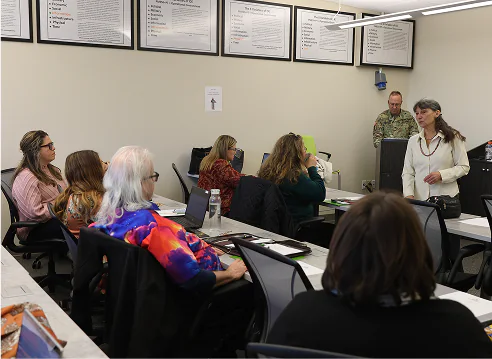
In April 2026, I traveled to Fort Payne, Alabama to facilitate a two-day Connect Postvention event sponsored by the SAM Foundation. The event included a full day of Connect Postvention training followed by a day of facilitated community postvention response planning.
I’ve had the privilege of working with communities across the country, but every so often there is a place that stays with you long after you’ve returned home.
Fort Payne is one of those places.
I left my heart in Alabama.
A Journey Through History
My trip began with a flight into Chattanooga, Tennessee, followed by a drive through Georgia and into northeastern Alabama. The journey itself was part of the experience.
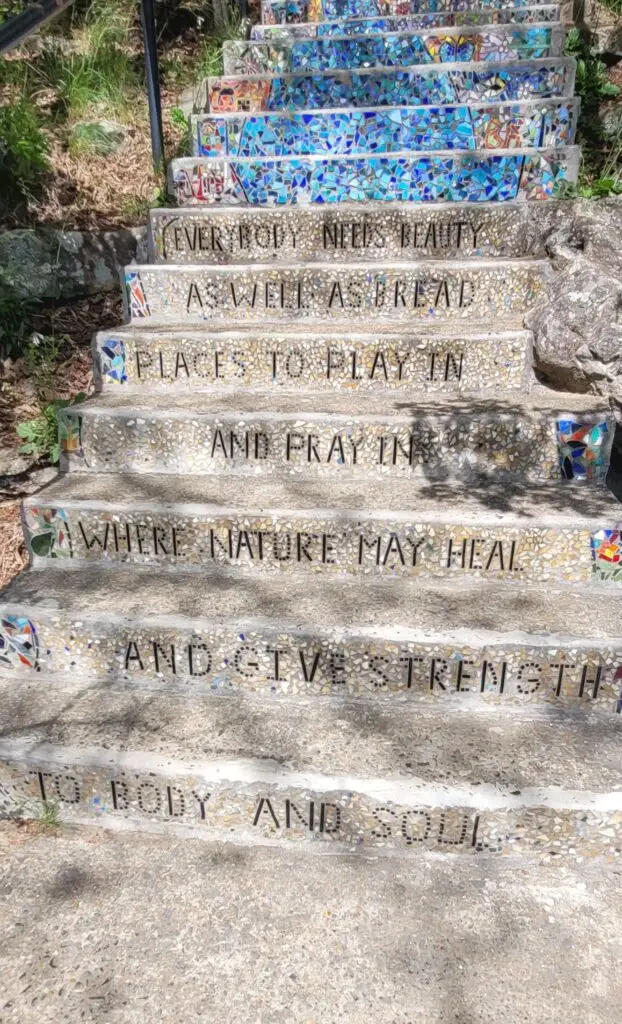
The landscape was breathtaking. Rolling hills, mountains, forests, and winding roads stretched for miles. The area is rich with history, and I found myself drawn to learning more about the stories embedded in the land.
During my visit, I explored several sites connected to the Trail of Tears, including the remains of a cabin where Cherokee people were brought during their forced removal from their ancestral homelands. Standing in those places was a humbling reminder of the resilience, suffering, and strength that have shaped this region for generations.
The area also carries the legacy of the Civil War and countless other chapters of American history. Everywhere I went, there seemed to be a story waiting to be told.
Yet what impacted me most was not the history itself.
It was the people, their relationships, and the love they have for their community.
A Community That Shows Up for One Another
Fort Payne is a small rural town where relationships run deep.
Many of the people I met came from families who have lived in the area for generations. Throughout the two days, I heard stories about grandparents, parents, neighbors, and lifelong friendships. We held our training in a renovated town building that used to be the school. Many of those in attendance shared stories about attending school in that very building. Participants spoke about how the community has changed over time while somehow maintaining the same heart and spirit that have always defined it.
Life seems to move a little differently in Fort Payne.
People take time for one another. They value relationships. They appreciate community.
And when someone is hurting, they show up.
That became abundantly clear throughout our training.
This community has experienced multiple youth suicide deaths over the years, including recent losses that are still deeply felt. The grief is real. The pain is real.
Yet so is the determination to care for one another.
The people I met were not turning away from difficult conversations. They were leaning into them because they care deeply about their youth, their families, and their future.
A Room Filled with People Who Care
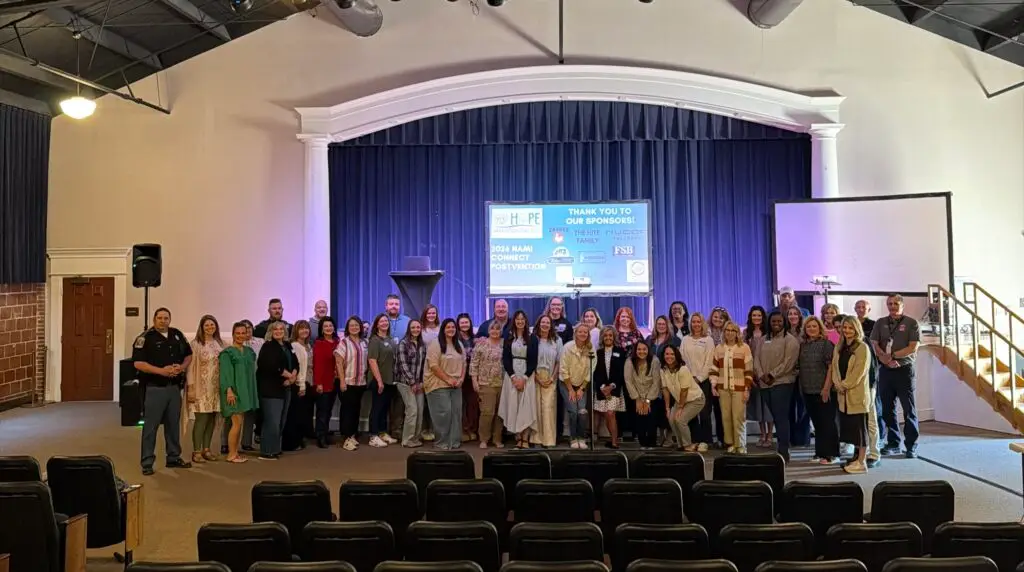
Our Day 1 Connect Postvention training was held in a local auditorium.
As participants arrived, I was struck by the diversity of the group. The room was filled with people representing nearly every corner of the community.
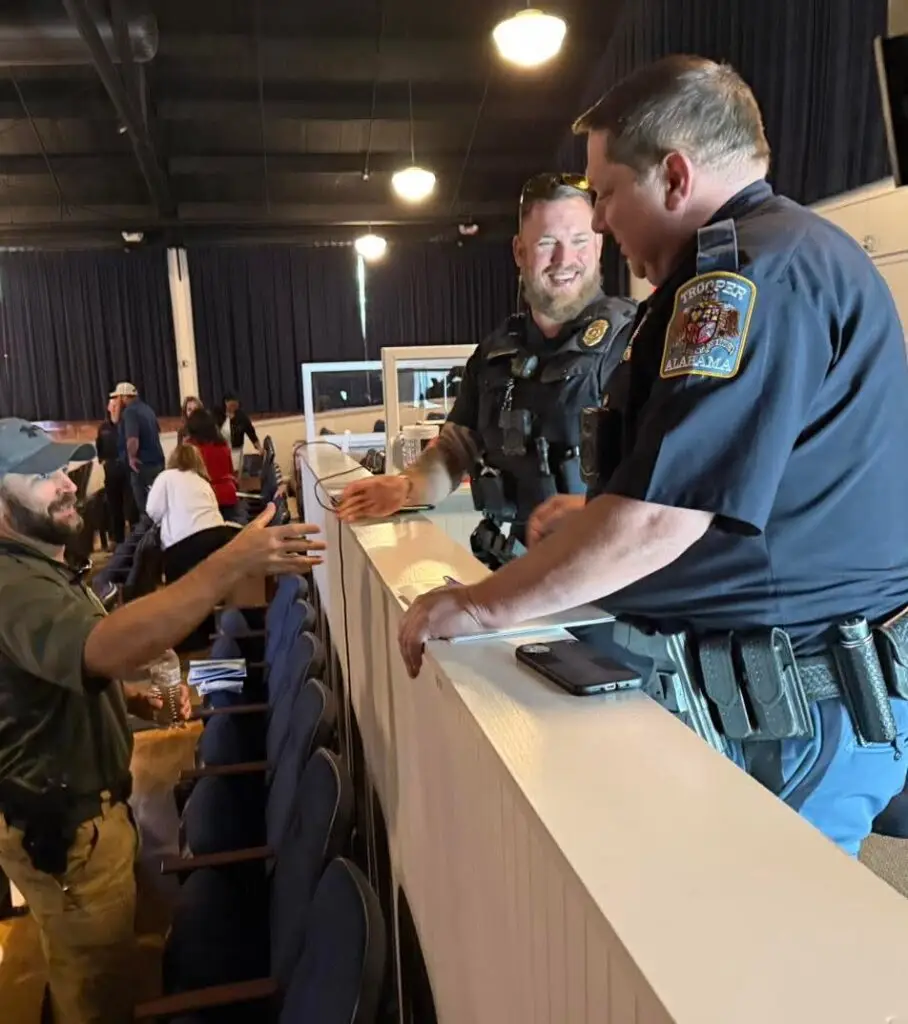
Teachers sat alongside mental health counselors. Nonprofit leaders shared rows with first responders. The mayor attended. State Police, local law enforcement, firefighters, youth-serving organizations, school personnel, concerned citizens, and community leaders all came together with a shared purpose.
In many communities, postvention planning is left to a small group of professionals.
Fort Payne approached it differently.
The message was clear: supporting people after a suicide loss is a community responsibility.
Throughout the day, participants listened carefully, asked thoughtful questions, and reflected on how they could strengthen their collective response to future tragedies.
What stood out most was not simply their willingness to learn—it was their willingness to learn together.
A Story That Changed the Room
One of the most powerful moments of the training came when a local survivor of suicide loss courageously shared her story publicly for the first time.
She spoke about losing her teenage son to suicide.
She talked about the devastation of that day, the grief that followed, and the long journey of healing she has traveled since then and continues to travel today.
She also spoke about the people who helped her survive.
Among those in attendance was a local police officer who had responded on the day her son died.
For the first time, he heard her describe what that experience had meant to her.
She shared with the audience that Fort Payne is fortunate to have such compassionate first responders. She explained that she did not know how she would have gotten through that day had they not been there to support her.
The room grew quiet.
It was an incredibly moving moment—not only because of her willingness to share such a personal story, but because it reminded all of us that we rarely see the full impact of our actions.
The officer likely responded to countless difficult situations throughout his career. Yet in that moment, he was able to hear directly from someone whose life had been forever touched by his compassion.
Her bravery created an opportunity for learning that no presentation or slide deck could ever replicate.
She helped all of us better understand what support can mean to someone experiencing unimaginable loss.
Moving from Concern to Coordination
On the second day, a smaller group of community leaders and community members returned for facilitated postvention response planning.
Together, we mapped the resources that already exist throughout Fort Payne and the surrounding area. We identified organizations, agencies, and individuals who could play important roles in a coordinated postvention response.
Participants explored how those resources currently interact, where communication could be strengthened, and how partnerships could become more intentional.
What impressed me was that they did not approach the process as though they were starting from scratch.
There are already many caring people and organizations doing important work in Fort Payne.
The goal was not to create something entirely new. It was to better connect the strengths that already exist.
By the end of the day, the group had identified priorities, action steps, and opportunities for future collaboration. The SAM Foundation will play an important leadership role in helping move that work forward.
The plan they developed is only the beginning, but it provides a strong foundation for the future.
What I Will Remember
When I think back on Fort Payne, I will remember the beautiful landscape and the rich history.
I will remember the winding roads, waterfalls, and mountain views.
I will remember the stories I learned about the Trail of Tears and the generations of people who have called this area home.
But most of all, I will remember the people who call Fort Payne home today.
I will remember a community willing to come together in a room and talk openly about difficult topics.
I will remember the courage of a mother who shared her story so others could learn from her experience.
I will remember first responders, educators, nonprofit leaders, counselors, elected officials, and community members sitting side by side because they care deeply about their youth.
And I will remember the overwhelming sense that the people of Fort Payne genuinely care deeply for one another.
Why This Work Matters
Connect Postvention training is often described as preparation for a tragedy we hope never occurs.
But what I witnessed in Fort Payne reminded me that postvention is about much more than responding to loss.
It is about strengthening relationships.
It is about building trust.
It is about helping communities recognize the resources, strengths, and people they already have.
Most importantly, it is about creating pathways for healing.
The people of Fort Payne have experienced heartbreak. They continue to carry grief. Yet they are choosing to face those challenges together.
That willingness to care for one another—to show up, listen, learn, and act—is what gives me hope.
As I left Alabama and began my journey home, I found myself reflecting on everything I had learned from the people there.
I arrived as a trainer.
I left inspired.
And I left a small piece of my heart in Fort Payne.
The Connect Suicide Prevention program offers comprehensive training services in suicide prevention and postvention response. Learn how our tailored approach can strengthen your community’s ability to prevent suicide and support those affected by loss. Contact us at info@theconnectprogram.org to learn more.
Walking Through History While Planning for Healing: My Experience at Clark Atlanta University
By Amy Cook, Director of Training and ConnectTM Lead Trainer
In March 2026, I had the privilege of traveling to Atlanta, Georgia to deliver a two-day Connect Postvention training and facilitated postvention response planning event at Clark Atlanta University (CAU).
As a trainer, I have the opportunity to work with organizations and communities across the country. Every training experience is unique, but some stay with you for reasons that extend beyond the training itself. My time at Clark Atlanta University was one of those experiences.
From the moment I arrived on campus, I felt the weight and significance of the history surrounding me.
The building where we gathered for training sits on Atlanta Student Movement Boulevard. Formerly known as Fair Street, the road was renamed to honor the Atlanta University Center students who helped lead the sit-ins and desegregation movements of the 1960s. Just beyond campus is Martin Luther King Jr. Drive, and running through the heart of the university is James P. Brawley Drive, named for a respected educator and civil rights leader who served as the fourth president of Clark College.
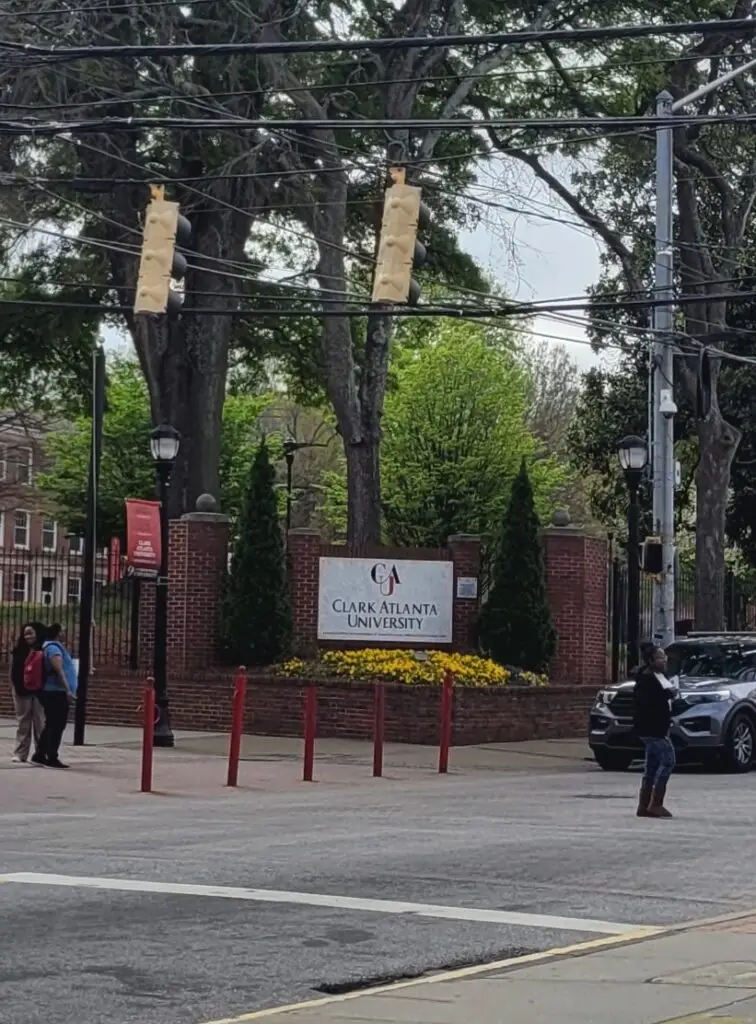
Within walking distance are Morehouse College and Spelman College, institutions that have shaped generations of leaders and helped define the rich legacy of the Atlanta University Center.
As I walked through the area, I found myself reflecting on the courage, determination, and vision of those who walked these same streets so many years before. It was an incredibly humbling experience to stand in a place where so much history was made and where so many individuals have worked tirelessly to create positive change for generations.
At the same time, Atlanta itself was alive with energy. It is a bustling city filled with activity, culture, and opportunity. Everywhere I looked there was something happening, somewhere to explore, and another reminder of the city’s rich history and ongoing impact.
Bringing People Together Around Student Wellbeing
The training was coordinated by Dr. Vickie Jester, Associate Dean of Students for Student Wellness and Director of University Counseling and Disability Services at Clark Atlanta University.
One of the things that impressed me most before the training even began was the group Dr. Jester convened. Participants represented a wide variety of departments and roles across the university—Residential Life, Center for Counseling, Academic Affairs, Data & Evaluation, Athletics, and many more. Rather than viewing postvention as the responsibility of a single office or department, Clark Atlanta University recognized that supporting students after a suicide loss requires a coordinated, campus-wide effort.
That understanding became one of the strengths of the entire experience.
The first day focused on Connect Postvention training. For many participants, the concepts and frameworks we discussed were new. As the day progressed, participants began reflecting on their current practices and the systems already in place at the university.
What emerged was an important realization.
The university already had many protocols, procedures, and response mechanisms designed to address crisis situations. However, participants recognized that many of these efforts were primarily operational in nature. They focused appropriately on safety, logistics, communication, and risk management, but they were not always intentionally connected to the healing needs of students, faculty, staff, and the broader campus community.
This recognition led to thoughtful and honest conversations.
Participants began exploring how postvention can extend beyond managing a crisis and become an opportunity to foster healing, strengthen connection, and support recovery throughout a community.
Moving from Training to Action
On the second day, a smaller planning team returned to focus on postvention response planning.
This is often one of my favorite parts of the process because it is where ideas begin to transform into action.
Together, the group reviewed existing protocols, procedures, and policies through a postvention lens. They identified strengths they could build upon as well as opportunities for improvement and how they can include the student voice. They discussed ways to better coordinate efforts across departments, considered potential champions who could help move the work forward, and brainstormed practical strategies for creating meaningful change.
What stood out throughout the planning process was the group’s willingness to engage in honest self-assessment. There was no interest in simply checking a box or creating a plan that would sit on a shelf. Participants were genuinely invested in developing systems that would better support their students and community.
By the end of the day, they had developed an action plan that would allow them to continue the work after students left campus for the spring term and I, as a trainer and facilitator, could feel the energy created around the room.
The plan represented more than a list of tasks. It reflected a shared commitment to creating a campus culture that recognizes healing as an essential component of postvention and, therefore, prevention as well.
Passion That Was Impossible to Miss
Throughout both days, one thing remained remarkably consistent: the care participants had for the students they serve.
Whether someone worked directly with students or in a supporting role, the passion for student wellbeing was unmistakable. Participants consistently returned to questions about how decisions, policies, and practices would affect young people. They demonstrated a genuine desire to ensure students felt supported not only during times of crisis, but throughout their college experience.
That commitment was inspiring.
As a trainer, I often talk about the importance of building postvention systems that support healing. At Clark Atlanta University, I saw a group of professionals who were ready to take that challenge seriously and who understood that postvention is not simply about responding to tragedy. It is about strengthening community, fostering connection, and creating environments where healing can occur.
Why This Experience Matters
My time at Clark Atlanta University reminded me that postvention planning is not just about policies and procedures. It is about people.
It is about bringing together individuals from across an organization, helping them see their role in supporting one another, and creating systems that honor both safety and healing.
It felt especially meaningful to have those conversations in a place so deeply connected to a history of collective action, leadership, and social change. The students who once walked those streets challenged their communities to think differently about what was possible. In their own way, the staff and leaders at Clark Atlanta University are continuing that tradition by asking important questions about how they can better support the students they serve as well as each other.
I left Atlanta encouraged by their commitment, inspired by their passion, and optimistic about the work that lies ahead.
The action plan they developed is only the beginning. What matters most is the dedication of the people who will carry that work forward—and after spending two days with this group, I have every confidence they will.
The Connect Suicide Prevention program offers comprehensive training services in suicide prevention and postvention response. Learn how our tailored approach can strengthen your community’s ability to prevent suicide and support those affected by loss. Contact us at info@theconnectprogram.org to learn more.
Returning Home: How the Connect Program Deepens Roots in Hawaii
By Elaine de Mello
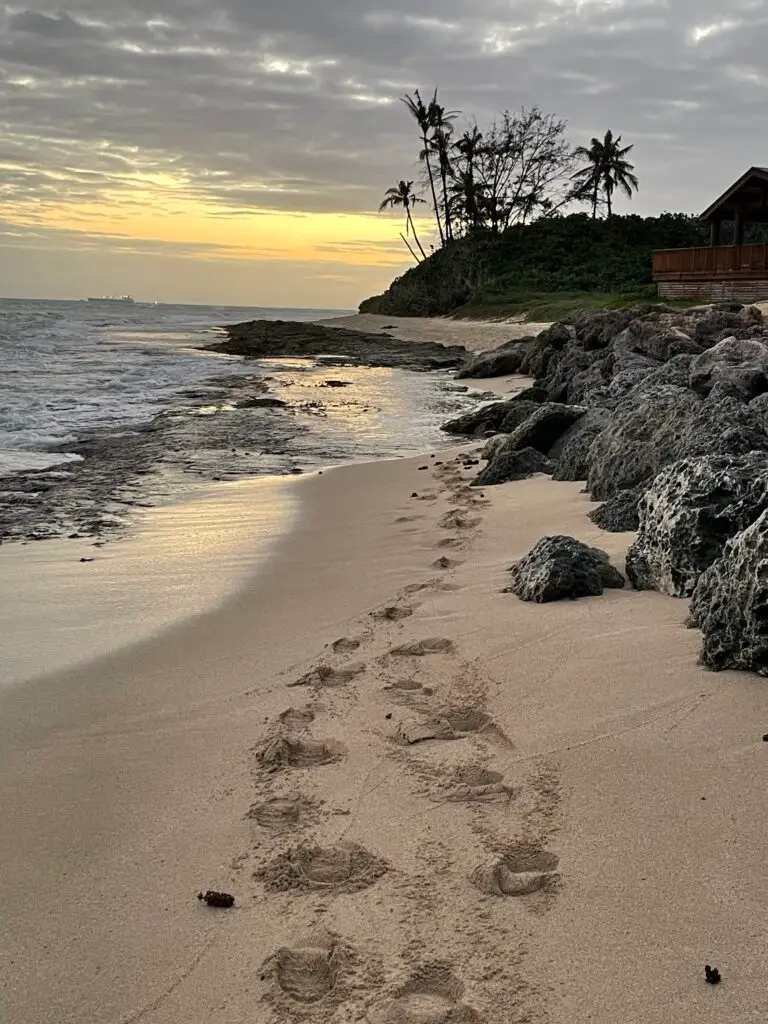
When my colleague Susan Ward and I touched down in Kapolei, Hawaii in early February, we were greeted with fresh flower leis—a warm welcome that felt like coming home for me, despite the decade-plus since my last visit. We were there to continue a partnership that has quietly but persistently strengthened suicide prevention, postvention, and mental wellness across the Hawaiian islands.
What struck us most wasn’t just the beauty of the islands or the warmth of old friendships renewed. It was witnessing how deeply the Connect program’s values had taken root in Hawaii’s communities through genuine, collaborative partnership with a team at the University of Hawaii.
A Partnership Built on Respect and Adaptation
The Connect Program’s work in Hawaii began around 2011 when University of Hawaii leaders recognized something important: the Connect program wasn’t just a training package to implement, but “a living, breathing curriculum” that could adapt to meet unique community needs. Rather than imposing one-size-fits-all solutions, we committed to working collaboratively—learning about Pacific Island culture, integrating local wisdom, and continuously shaping the program to reflect the values of the people we serve.
This is at the heart of how the Connect program operates. We listen. We learn. We adapt.
Over the years, this commitment paid dividends. The University of Hawaii team didn’t just implement our training—they built upon it, conducted research on its impact, and sustained the work through multiple grant cycles. Two peer-reviewed articles emerged from their evaluation, demonstrating that when training is tailored to community context, outcomes matter.
The Comprehensive Approach
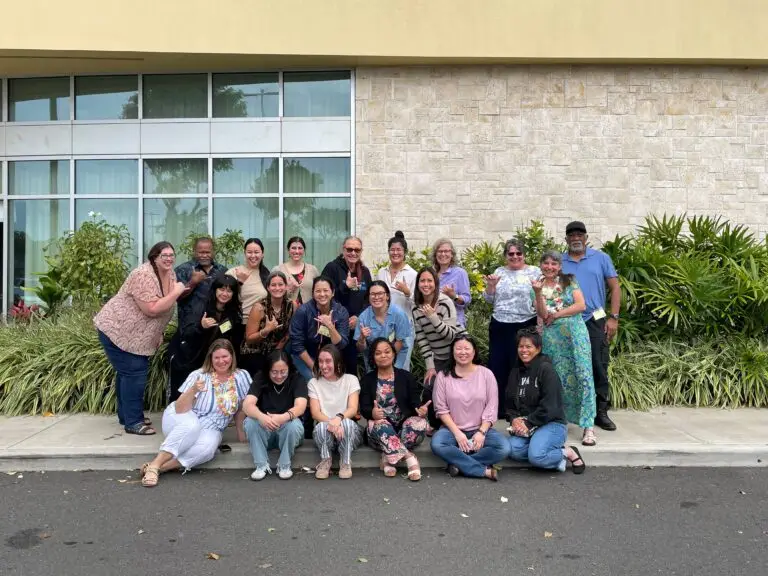
This year, we delivered a complete suite of ConnectTM services: Training of Trainers for suicide prevention, Youth Leader curriculum, and specialized postvention training—all designed to address the full spectrum of community needs.
Suicide prevention isn’t a single intervention. It requires prevention training that equips community members to identify risk and respond compassionately, youth leader development that empowers young people to become change agents, and postvention support that helps communities heal after loss.
When a community commits to this comprehensive model, the ripple effects extend far beyond a single training event. During our postvention training, one participant asked our colleague about her response to a significant loss years ago. Her answer was simple but powerful: “I called Elaine.” That moment captured something essential—a network of informed, confident leaders who know they don’t face crises alone.
Meeting Communities Where They Are
The participants we worked with were deeply embedded in their families, schools, and communities. Many had been personally affected by suicide loss. What unified them was a commitment to ohana—a Hawaiian concept that extends family to include friends and community. “Ohana means family, and family means no one gets left behind or forgotten.” This isn’t just a phrase in Hawaii; it’s a lived value.
The Connect program resonated with these communities precisely because it can be tailored to reflect such values. Our foundational models aren’t rigid templates. They’re tools that communities can adapt to reflect their own understanding of connection, resilience, and collective responsibility.
Sustainability Through Shared Knowledge
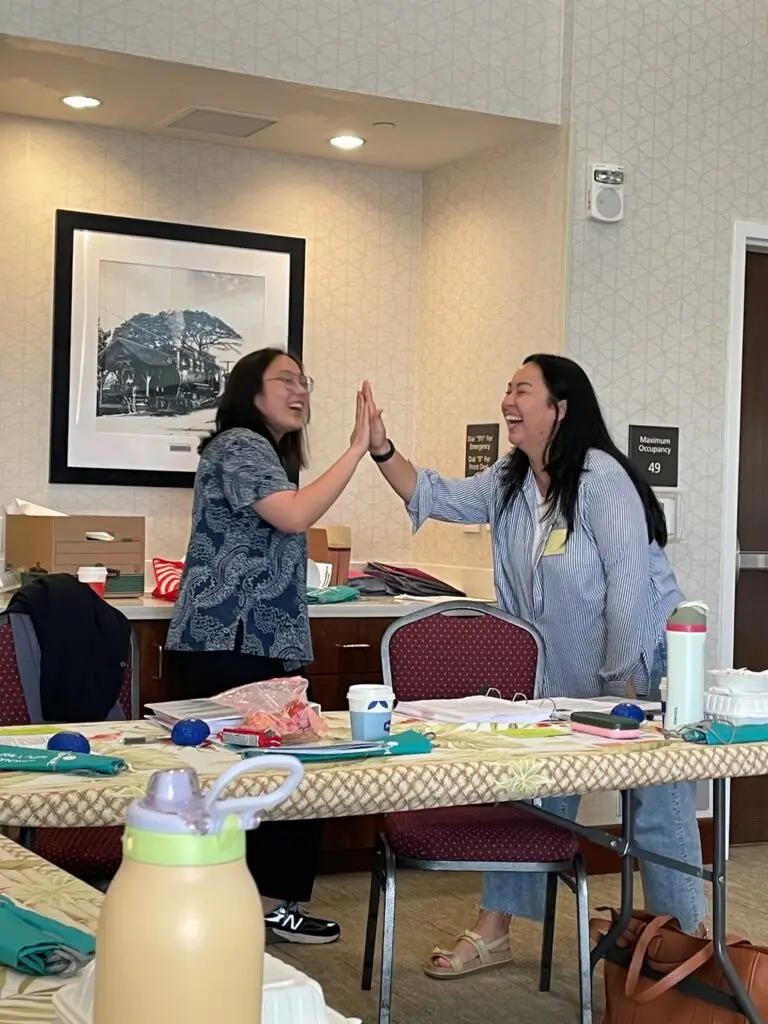
What made returning to Hawaii after more than a decade meaningful was witnessing how the work had evolved. The University of Hawaii team had carried it forward, building upon it with their own expertise. They integrated Connect’s values and best practices into their systematic approach to suicide prevention across the state.
This is what real sustainability looks like: values embedded in how organizations operate, knowledge shared and continuously refined, collectively owned.
The training itself is just the beginning. What matters is whether the program can genuinely meet you where you are, adapt to your community’s needs, and leave you with tools that sustain the work for years to come.
The ConnectTM Program isn’t just about suicide prevention. It’s about building communities where no one is left behind—where everyone has access to the knowledge, skills, and support they need to care for one another.
And that, truly, is ohana.
The Connect Suicide Prevention program offers comprehensive training services in suicide prevention and postvention response. Learn how our tailored approach can strengthen your community’s ability to prevent suicide and support those affected by loss. Contact us at info@theconnectprogram.org to learn more.

