
By Elaine de Mello
When my colleague Susan Ward and I touched down in Kapolei, Hawaii in early February, we were greeted with fresh flower leis—a warm welcome that felt like coming home for me, despite the decade-plus since my last visit. We were there to continue a partnership that has quietly but persistently strengthened suicide prevention, postvention, and mental wellness across the Hawaiian islands.
What struck us most wasn’t just the beauty of the islands or the warmth of old friendships renewed. It was witnessing how deeply the Connect program’s values had taken root in Hawaii’s communities through genuine, collaborative partnership with a team at the University of Hawaii.
A Partnership Built on Respect and Adaptation
The Connect Program’s work in Hawaii began around 2011 when University of Hawaii leaders recognized something important: the Connect program wasn’t just a training package to implement, but “a living, breathing curriculum” that could adapt to meet unique community needs. Rather than imposing one-size-fits-all solutions, we committed to working collaboratively—learning about Pacific Island culture, integrating local wisdom, and continuously shaping the program to reflect the values of the people we serve.
This is at the heart of how the Connect program operates. We listen. We learn. We adapt.
Over the years, this commitment paid dividends. The University of Hawaii team didn’t just implement our training—they built upon it, conducted research on its impact, and sustained the work through multiple grant cycles. Two peer-reviewed articles emerged from their evaluation, demonstrating that when training is tailored to community context, outcomes matter.
The Comprehensive Approach
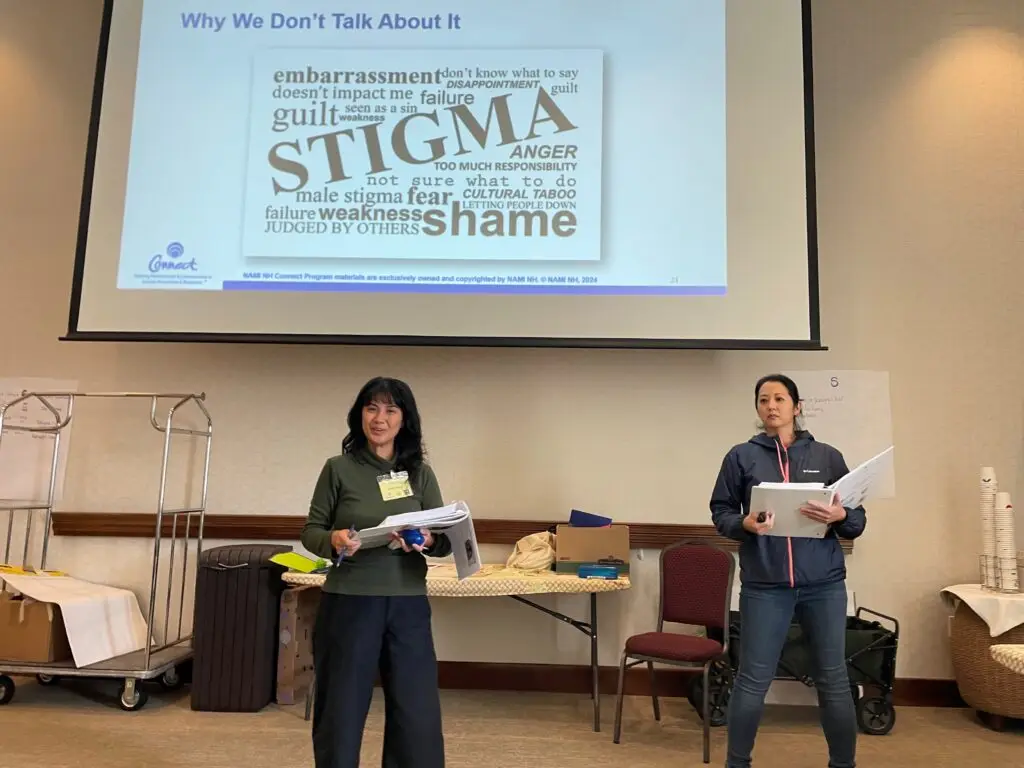
This year, we delivered a complete suite of ConnectTM services: Training of Trainers for suicide prevention, Youth Leader curriculum, and specialized postvention training—all designed to address the full spectrum of community needs.
Suicide prevention isn’t a single intervention. It requires prevention training that equips community members to identify risk and respond compassionately, youth leader development that empowers young people to become change agents, and postvention support that helps communities heal after loss.
When a community commits to this comprehensive model, the ripple effects extend far beyond a single training event. During our postvention training, one participant asked our colleague about her response to a significant loss years ago. Her answer was simple but powerful: “I called Elaine.” That moment captured something essential—a network of informed, confident leaders who know they don’t face crises alone.
Meeting Communities Where They Are
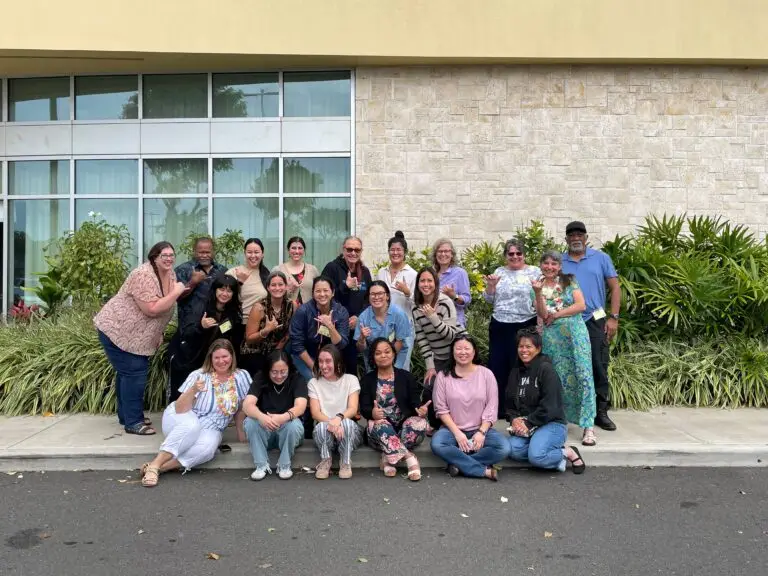
The participants we worked with were deeply embedded in their families, schools, and communities. Many had been personally affected by suicide loss. What unified them was a commitment to ohana—a Hawaiian concept that extends family to include friends and community. “Ohana means family, and family means no one gets left behind or forgotten.” This isn’t just a phrase in Hawaii; it’s a lived value.
The Connect program resonated with these communities precisely because it can be tailored to reflect such values. Our foundational models aren’t rigid templates. They’re tools that communities can adapt to reflect their own understanding of connection, resilience, and collective responsibility.
Sustainability Through Shared Knowledge
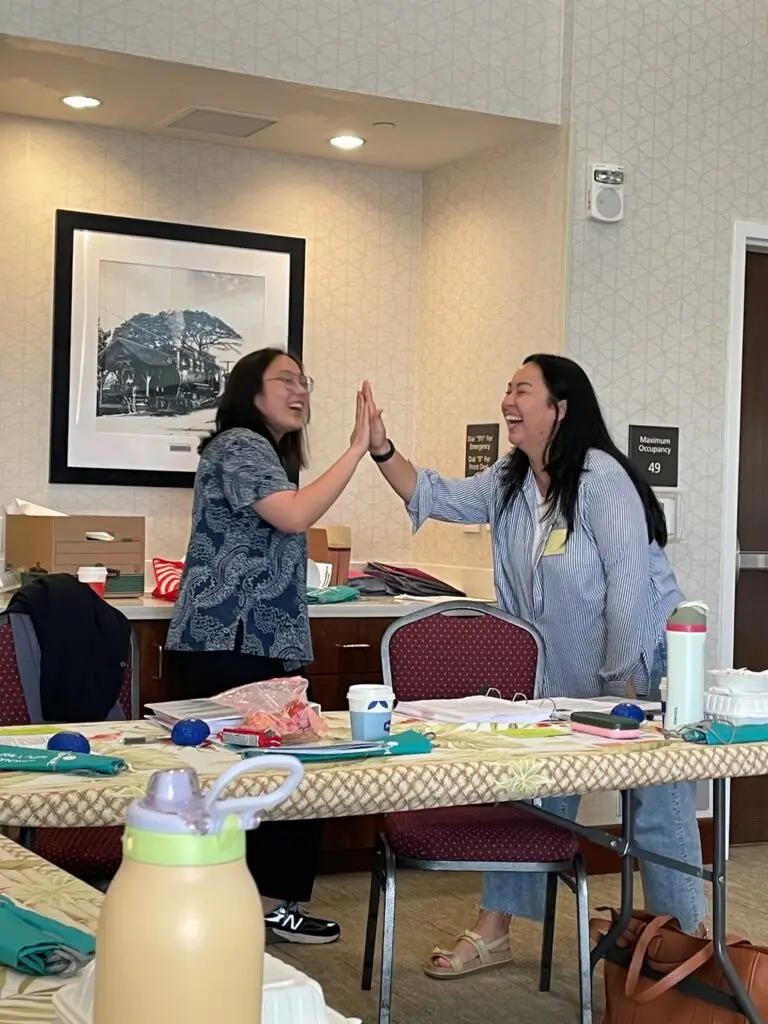
What made returning to Hawaii after more than a decade meaningful was witnessing how the work had evolved. The University of Hawaii team had carried it forward, building upon it with their own expertise. They integrated Connect’s values and best practices into their systematic approach to suicide prevention across the state.
This is what real sustainability looks like: values embedded in how organizations operate, knowledge shared and continuously refined, collectively owned.
The training itself is just the beginning. What matters is whether the program can genuinely meet you where you are, adapt to your community’s needs, and leave you with tools that sustain the work for years to come.
The ConnectTM Program isn’t just about suicide prevention. It’s about building communities where no one is left behind—where everyone has access to the knowledge, skills, and support they need to care for one another.
And that, truly, is ohana.
The Connect Suicide Prevention program offers comprehensive training services in suicide prevention and postvention response. Learn how our tailored approach can strengthen your community’s ability to prevent suicide and support those affected by loss. Contact us at info@theconnectprogram.org to learn more.

