
By Amy Cook, Director of Training and ConnectTM Lead Trainer
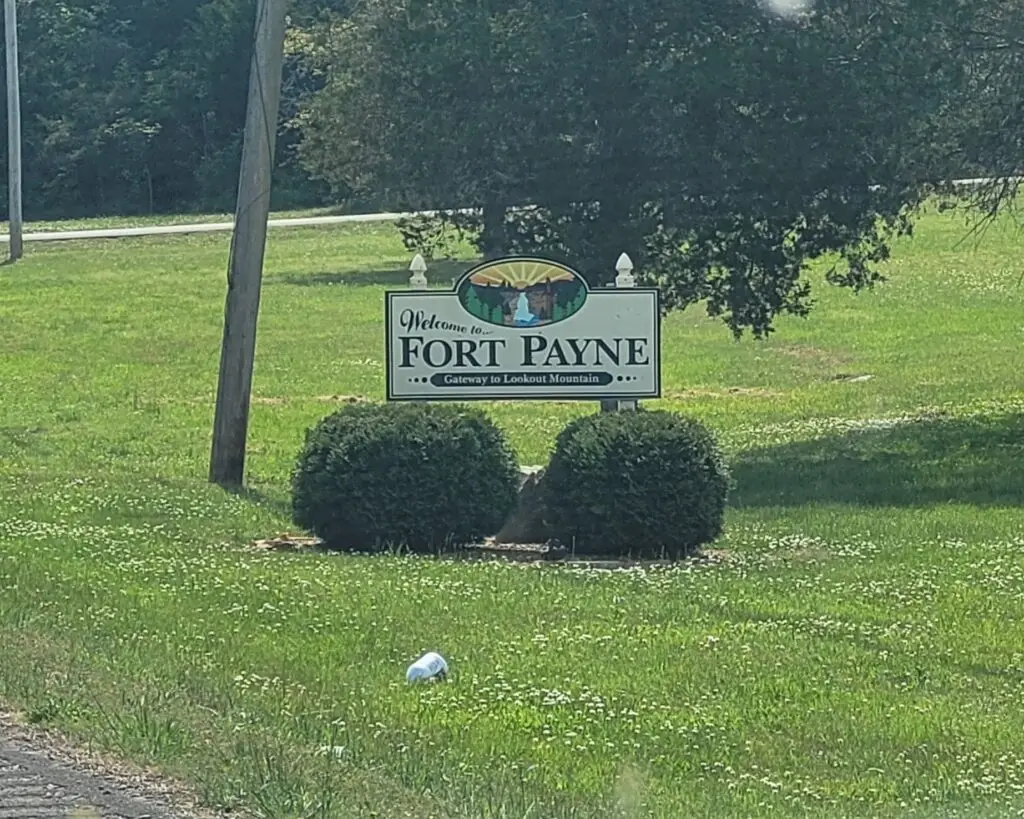
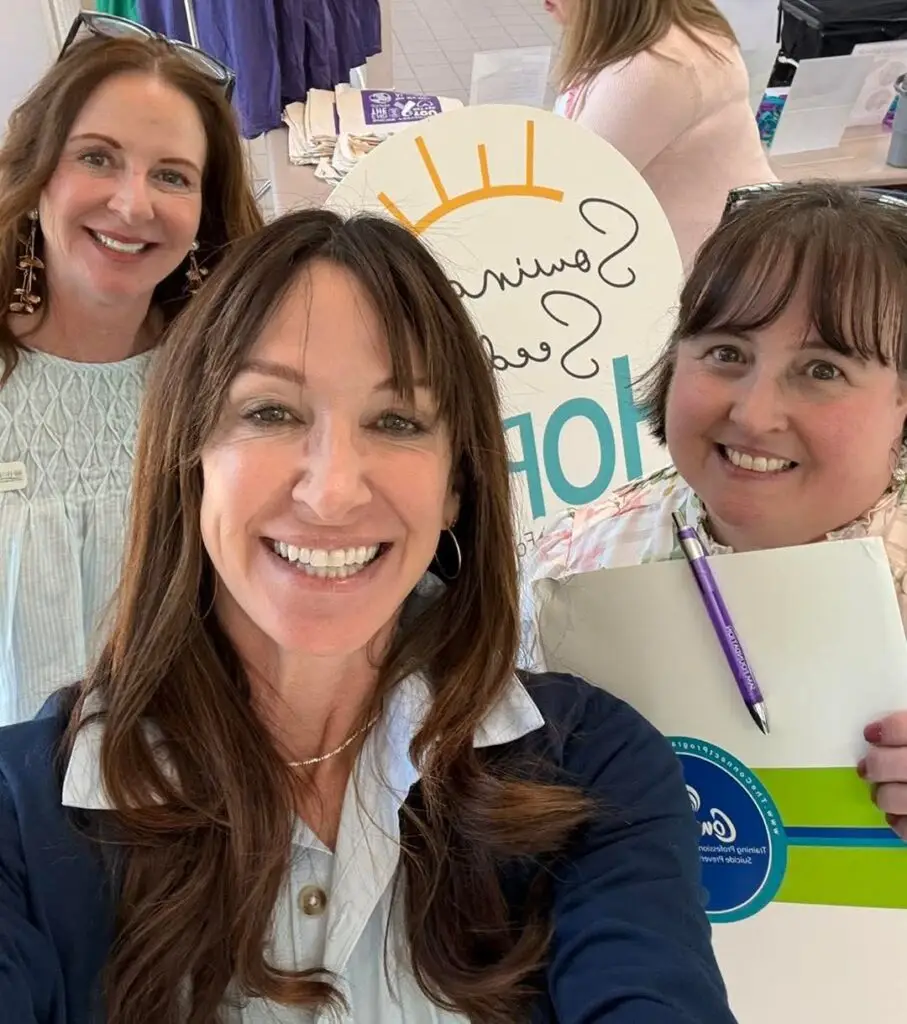
In April 2026, I traveled to Fort Payne, Alabama to facilitate a two-day Connect Postvention event sponsored by the SAM Foundation. The event included a full day of Connect Postvention training followed by a day of facilitated community postvention response planning.
I’ve had the privilege of working with communities across the country, but every so often there is a place that stays with you long after you’ve returned home.
Fort Payne is one of those places.
I left my heart in Alabama.
A Journey Through History
My trip began with a flight into Chattanooga, Tennessee, followed by a drive through Georgia and into northeastern Alabama. The journey itself was part of the experience.
The landscape was breathtaking. Rolling hills, mountains, forests, and winding roads stretched for miles. The area is rich with history, and I found myself drawn to learning more about the stories embedded in the land.
During my visit, I explored several sites connected to the Trail of Tears, including the remains of a cabin where Cherokee people were brought during their forced removal from their ancestral homelands. Standing in those places was a humbling reminder of the resilience, suffering, and strength that have shaped this region for generations.
The area also carries the legacy of the Civil War and countless other chapters of American history. Everywhere I went, there seemed to be a story waiting to be told.
Yet what impacted me most was not the history itself.
It was the people, their relationships, and the love they have for their community.
A Community That Shows Up for One Another
Fort Payne is a small rural town where relationships run deep.
Many of the people I met came from families who have lived in the area for generations. Throughout the two days, I heard stories about grandparents, parents, neighbors, and lifelong friendships. We held our training in a renovated town building that used to be the school. Many of those in attendance shared stories about attending school in that very building. Participants spoke about how the community has changed over time while somehow maintaining the same heart and spirit that have always defined it.
Life seems to move a little differently in Fort Payne.
People take time for one another. They value relationships. They appreciate community.
And when someone is hurting, they show up.
That became abundantly clear throughout our training.
This community has experienced multiple youth suicide deaths over the years, including recent losses that are still deeply felt. The grief is real. The pain is real.
Yet so is the determination to care for one another.
The people I met were not turning away from difficult conversations. They were leaning into them because they care deeply about their youth, their families, and their future.
A Room Filled with People Who Care
Our Day 1 Connect Postvention training was held in a local auditorium.
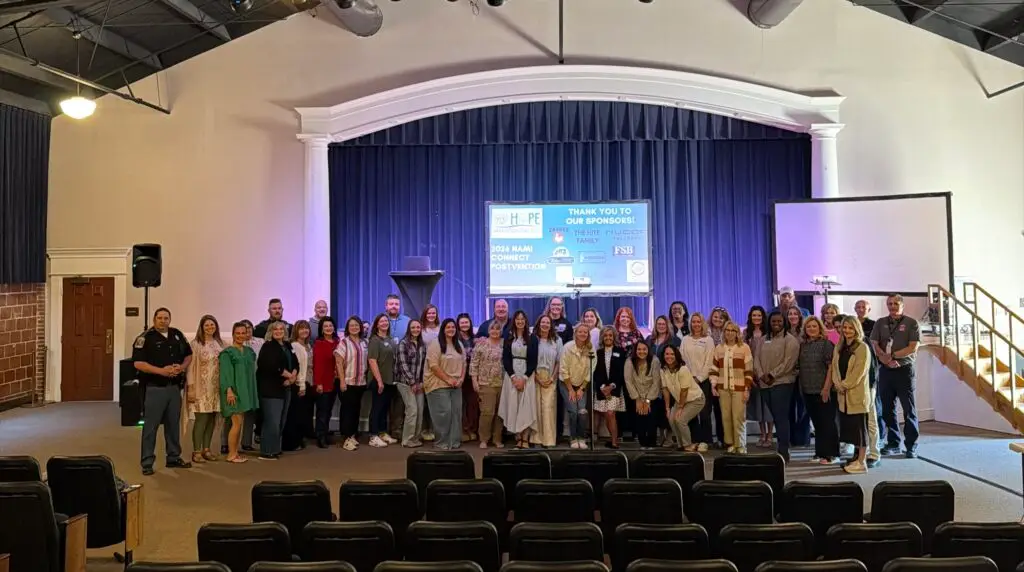
As participants arrived, I was struck by the diversity of the group. The room was filled with people representing nearly every corner of the community.
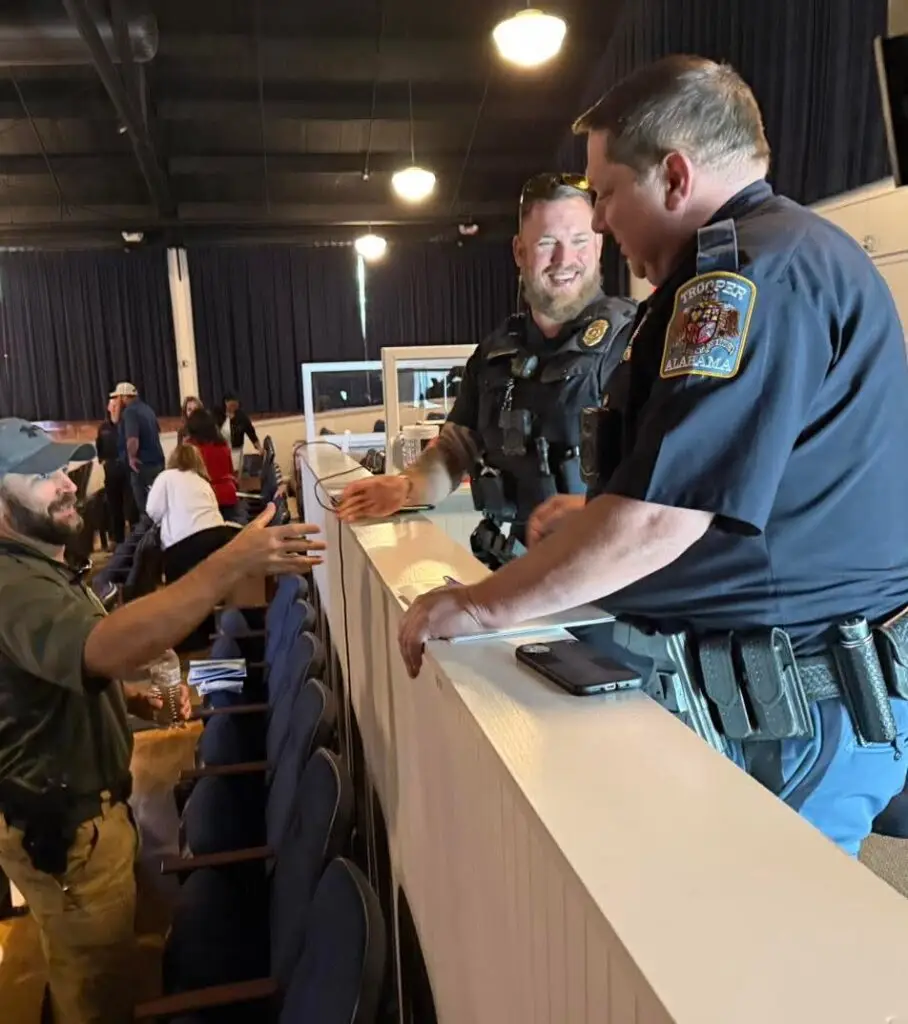
Teachers sat alongside mental health counselors. Nonprofit leaders shared rows with first responders. The mayor attended. State Police, local law enforcement, firefighters, youth-serving organizations, school personnel, concerned citizens, and community leaders all came together with a shared purpose.
In many communities, postvention planning is left to a small group of professionals.
Fort Payne approached it differently.
The message was clear: supporting people after a suicide loss is a community responsibility.
Throughout the day, participants listened carefully, asked thoughtful questions, and reflected on how they could strengthen their collective response to future tragedies.
What stood out most was not simply their willingness to learn—it was their willingness to learn together.
A Story That Changed the Room
One of the most powerful moments of the training came when a local survivor of suicide loss courageously shared her story publicly for the first time.
She spoke about losing her teenage son to suicide.
She talked about the devastation of that day, the grief that followed, and the long journey of healing she has traveled since then and continues to travel today.
She also spoke about the people who helped her survive.
Among those in attendance was a local police officer who had responded on the day her son died.
For the first time, he heard her describe what that experience had meant to her.
She shared with the audience that Fort Payne is fortunate to have such compassionate first responders. She explained that she did not know how she would have gotten through that day had they not been there to support her.
The room grew quiet.
It was an incredibly moving moment—not only because of her willingness to share such a personal story, but because it reminded all of us that we rarely see the full impact of our actions.
The officer likely responded to countless difficult situations throughout his career. Yet in that moment, he was able to hear directly from someone whose life had been forever touched by his compassion.
Her bravery created an opportunity for learning that no presentation or slide deck could ever replicate.
She helped all of us better understand what support can mean to someone experiencing unimaginable loss.
Moving from Concern to Coordination
On the second day, a smaller group of community leaders and community members returned for facilitated postvention response planning.
Together, we mapped the resources that already exist throughout Fort Payne and the surrounding area. We identified organizations, agencies, and individuals who could play important roles in a coordinated postvention response.
Participants explored how those resources currently interact, where communication could be strengthened, and how partnerships could become more intentional.
What impressed me was that they did not approach the process as though they were starting from scratch.
There are already many caring people and organizations doing important work in Fort Payne.
The goal was not to create something entirely new. It was to better connect the strengths that already exist.
By the end of the day, the group had identified priorities, action steps, and opportunities for future collaboration. The SAM Foundation will play an important leadership role in helping move that work forward.
The plan they developed is only the beginning, but it provides a strong foundation for the future.
What I Will Remember
When I think back on Fort Payne, I will remember the beautiful landscape and the rich history.
I will remember the winding roads, waterfalls, and mountain views.
I will remember the stories I learned about the Trail of Tears and the generations of people who have called this area home.
But most of all, I will remember the people who call Fort Payne home today.
I will remember a community willing to come together in a room and talk openly about difficult topics.
I will remember the courage of a mother who shared her story so others could learn from her experience.
I will remember first responders, educators, nonprofit leaders, counselors, elected officials, and community members sitting side by side because they care deeply about their youth.
And I will remember the overwhelming sense that the people of Fort Payne genuinely care deeply for one another.
Why This Work Matters
Connect Postvention training is often described as preparation for a tragedy we hope never occurs.
But what I witnessed in Fort Payne reminded me that postvention is about much more than responding to loss.
It is about strengthening relationships.
It is about building trust.
It is about helping communities recognize the resources, strengths, and people they already have.
Most importantly, it is about creating pathways for healing.
The people of Fort Payne have experienced heartbreak. They continue to carry grief. Yet they are choosing to face those challenges together.
That willingness to care for one another—to show up, listen, learn, and act—is what gives me hope.
As I left Alabama and began my journey home, I found myself reflecting on everything I had learned from the people there.
I arrived as a trainer.
I left inspired.
And I left a small piece of my heart in Fort Payne.
The Connect Suicide Prevention program offers comprehensive training services in suicide prevention and postvention response. Learn how our tailored approach can strengthen your community’s ability to prevent suicide and support those affected by loss. Contact us at info@theconnectprogram.org to learn more.

