
By Amy Cook, Director of Training and ConnectTM Lead Trainer
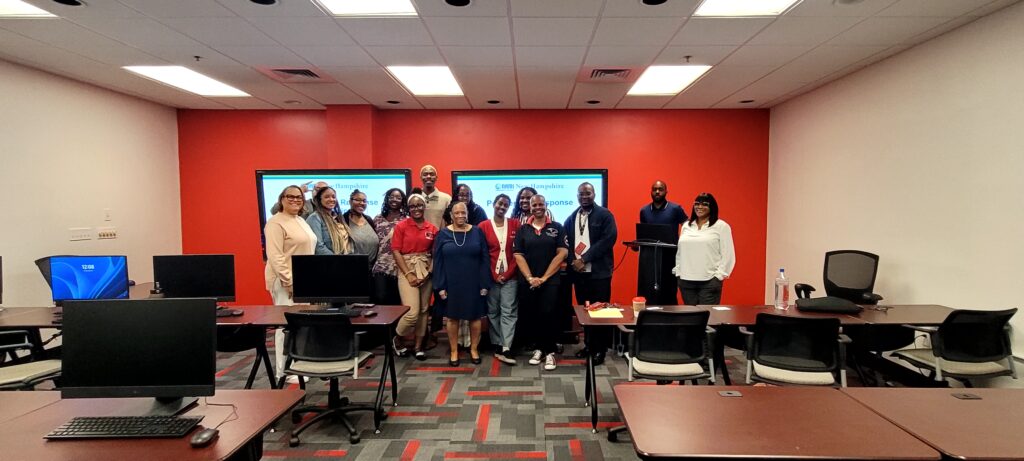
In March 2026, I had the privilege of traveling to Atlanta, Georgia to deliver a two-day Connect Postvention training and facilitated postvention response planning event at Clark Atlanta University (CAU).
As a trainer, I have the opportunity to work with organizations and communities across the country. Every training experience is unique, but some stay with you for reasons that extend beyond the training itself. My time at Clark Atlanta University was one of those experiences.
From the moment I arrived on campus, I felt the weight and significance of the history surrounding me.
The building where we gathered for training sits on Atlanta Student Movement Boulevard. Formerly known as Fair Street, the road was renamed to honor the Atlanta University Center students who helped lead the sit-ins and desegregation movements of the 1960s. Just beyond campus is Martin Luther King Jr. Drive, and running through the heart of the university is James P. Brawley Drive, named for a respected educator and civil rights leader who served as the fourth president of Clark College.
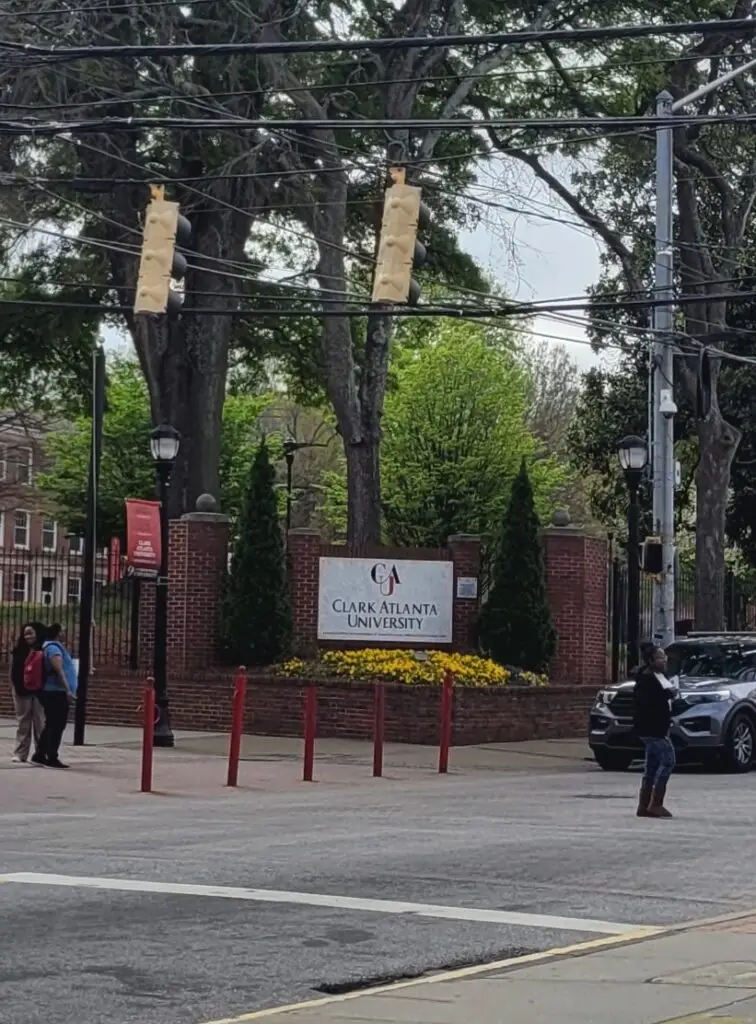
Within walking distance are Morehouse College and Spelman College, institutions that have shaped generations of leaders and helped define the rich legacy of the Atlanta University Center.
As I walked through the area, I found myself reflecting on the courage, determination, and vision of those who walked these same streets so many years before. It was an incredibly humbling experience to stand in a place where so much history was made and where so many individuals have worked tirelessly to create positive change for generations.
At the same time, Atlanta itself was alive with energy. It is a bustling city filled with activity, culture, and opportunity. Everywhere I looked there was something happening, somewhere to explore, and another reminder of the city’s rich history and ongoing impact.
Bringing People Together Around Student Wellbeing
The training was coordinated by Dr. Vickie Jester, Associate Dean of Students for Student Wellness and Director of University Counseling and Disability Services at Clark Atlanta University.
One of the things that impressed me most before the training even began was the group Dr. Jester convened. Participants represented a wide variety of departments and roles across the university—Residential Life, Center for Counseling, Academic Affairs, Data & Evaluation, Athletics, and many more. Rather than viewing postvention as the responsibility of a single office or department, Clark Atlanta University recognized that supporting students after a suicide loss requires a coordinated, campus-wide effort.
That understanding became one of the strengths of the entire experience.
The first day focused on Connect Postvention training. For many participants, the concepts and frameworks we discussed were new. As the day progressed, participants began reflecting on their current practices and the systems already in place at the university.
What emerged was an important realization.
The university already had many protocols, procedures, and response mechanisms designed to address crisis situations. However, participants recognized that many of these efforts were primarily operational in nature. They focused appropriately on safety, logistics, communication, and risk management, but they were not always intentionally connected to the healing needs of students, faculty, staff, and the broader campus community.
This recognition led to thoughtful and honest conversations.
Participants began exploring how postvention can extend beyond managing a crisis and become an opportunity to foster healing, strengthen connection, and support recovery throughout a community.
Moving from Training to Action
On the second day, a smaller planning team returned to focus on postvention response planning.
This is often one of my favorite parts of the process because it is where ideas begin to transform into action.
Together, the group reviewed existing protocols, procedures, and policies through a postvention lens. They identified strengths they could build upon as well as opportunities for improvement and how they can include the student voice. They discussed ways to better coordinate efforts across departments, considered potential champions who could help move the work forward, and brainstormed practical strategies for creating meaningful change.
What stood out throughout the planning process was the group’s willingness to engage in honest self-assessment. There was no interest in simply checking a box or creating a plan that would sit on a shelf. Participants were genuinely invested in developing systems that would better support their students and community.
By the end of the day, they had developed an action plan that would allow them to continue the work after students left campus for the spring term and I, as a trainer and facilitator, could feel the energy created around the room.
The plan represented more than a list of tasks. It reflected a shared commitment to creating a campus culture that recognizes healing as an essential component of postvention and, therefore, prevention as well.
Passion That Was Impossible to Miss
Throughout both days, one thing remained remarkably consistent: the care participants had for the students they serve.
Whether someone worked directly with students or in a supporting role, the passion for student wellbeing was unmistakable. Participants consistently returned to questions about how decisions, policies, and practices would affect young people. They demonstrated a genuine desire to ensure students felt supported not only during times of crisis, but throughout their college experience.
That commitment was inspiring.
As a trainer, I often talk about the importance of building postvention systems that support healing. At Clark Atlanta University, I saw a group of professionals who were ready to take that challenge seriously and who understood that postvention is not simply about responding to tragedy. It is about strengthening community, fostering connection, and creating environments where healing can occur.
Why This Experience Matters
My time at Clark Atlanta University reminded me that postvention planning is not just about policies and procedures. It is about people.
It is about bringing together individuals from across an organization, helping them see their role in supporting one another, and creating systems that honor both safety and healing.
It felt especially meaningful to have those conversations in a place so deeply connected to a history of collective action, leadership, and social change. The students who once walked those streets challenged their communities to think differently about what was possible. In their own way, the staff and leaders at Clark Atlanta University are continuing that tradition by asking important questions about how they can better support the students they serve as well as each other.
I left Atlanta encouraged by their commitment, inspired by their passion, and optimistic about the work that lies ahead.
The action plan they developed is only the beginning. What matters most is the dedication of the people who will carry that work forward—and after spending two days with this group, I have every confidence they will.
The Connect Suicide Prevention program offers comprehensive training services in suicide prevention and postvention response. Learn how our tailored approach can strengthen your community’s ability to prevent suicide and support those affected by loss. Contact us at info@theconnectprogram.org to learn more.

