
By Susan Ward, Prevention & Postvention Program Manager and ConnectTM Lead Trainer
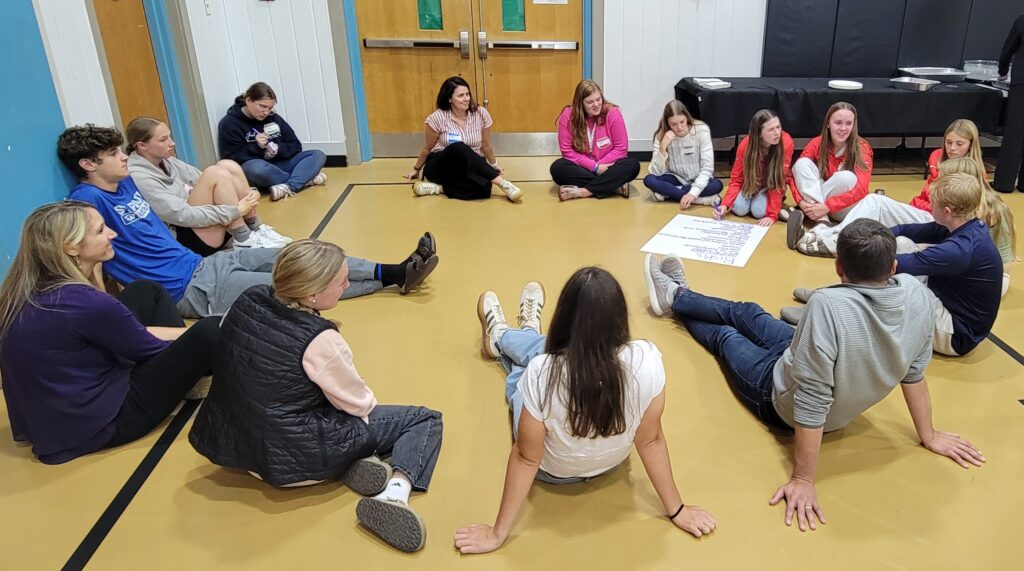
In October 2025, I traveled to Lin-Wood School in Lincoln, New Hampshire to facilitate a Connect Youth Leader training for high school students and adult advisors from several North Country school communities.
Hosted through a partnership between Primex and Lin-Wood School, the training brought together 28 participants representing Lin-Wood School, Kennett High School, Plymouth Regional High School, and SAU 35’s Profile Junior/Senior High School. While the schools came from different communities, they shared a common goal: empowering young people to take an active role in promoting mental wellness, strengthening peer connections, and supporting suicide prevention efforts within their schools.
A Regional Gathering in the Heart of the White Mountains
The training took place at Lin-Wood School, nestled among the mountains of northern New Hampshire. The drive to Lincoln offered the kind of scenery New Hampshire is known for—brilliant fall foliage, winding roads, and breathtaking mountain views.
Bringing together students from multiple North Country communities created a unique learning environment. While each school faces its own challenges and opportunities, participants quickly recognized that many of the issues affecting youth mental health are shared across communities.
The training provided an opportunity not only to learn new skills, but also to connect with peers and adult leaders who are working toward similar goals.
Creating Space for Youth Voices
One of the realities of youth leadership development is that confidence does not always appear immediately.
Some of the students who attended the training arrived feeling reserved and hesitant to speak up. Some participants were visibly shy, and a few even attempted to hide their faces when called upon to participate.
Participation looks different for every young person.
While some youth are eager to lead discussions and share ideas, others process information internally and need time to build confidence before finding their voice. What mattered most was that students stayed engaged, participated in activities, and continued to explore the concepts being presented.
Youth leadership is not always about speaking the loudest in the room. Sometimes it begins with listening, reflecting, and taking the first small step toward becoming involved.
The Important Role of Adult Allies
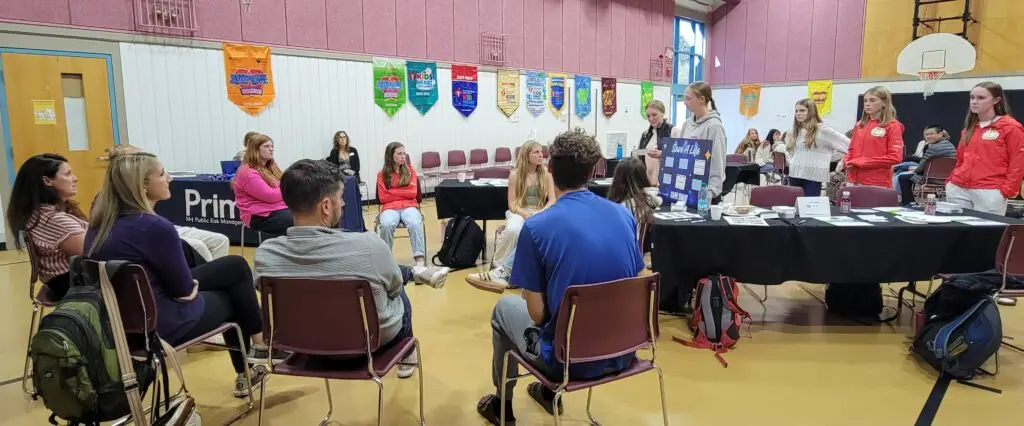
One of the highlights of the training was the commitment and engagement of the adult guides who attended alongside students.
Representatives from all schools actively participated throughout the training, helping to create a supportive environment where students could learn and grow. Their enthusiasm for the material was evident, and many recognized the potential for applying the concepts and activities within their own schools and communities.
Strong youth leadership initiatives depend on strong adult support. When educators, counselors, administrators, and other school staff invest in youth voice and leadership development, students are more likely to feel empowered to take meaningful action.
The collaboration among schools and adult advisors created a strong foundation for future efforts.
Turning Ideas into Action
A key component of the Connect Youth Leader program is helping schools move beyond training and into action.
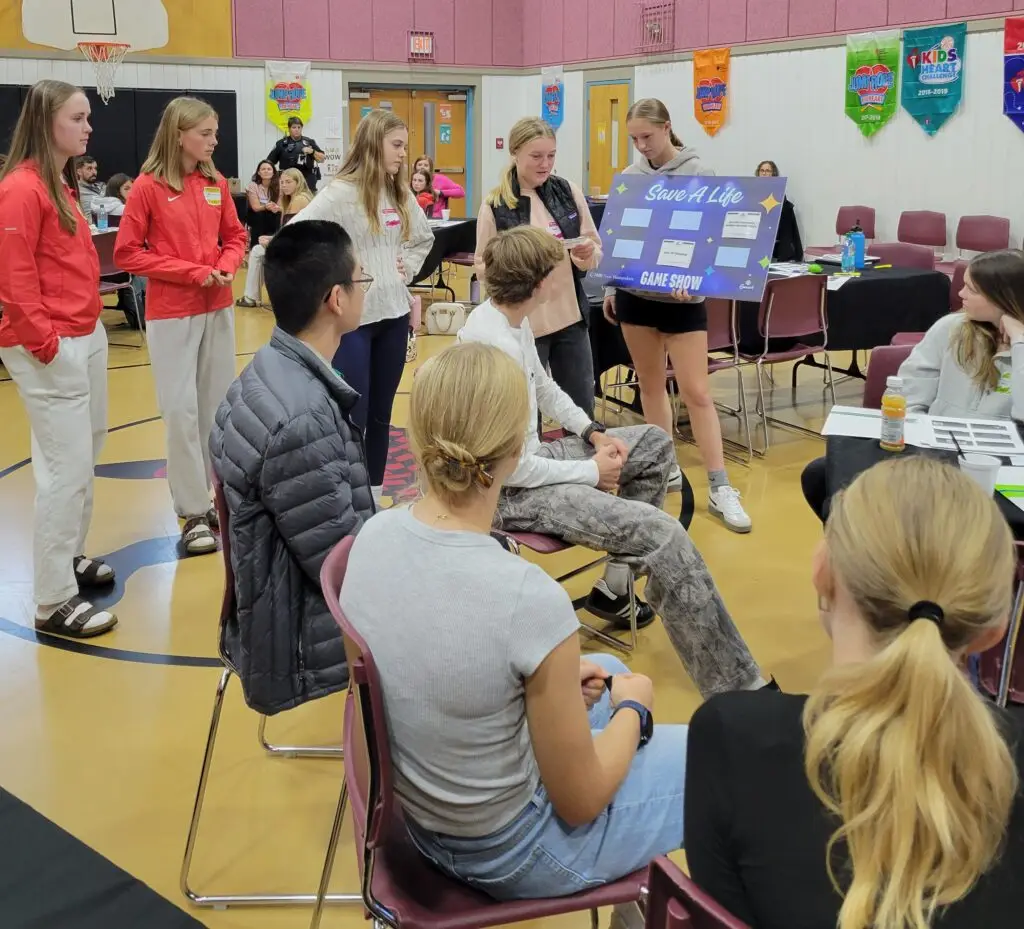
Participants left with access to planning resources, tools, and activities designed to help them build and sustain youth-led mental wellness initiatives. These resources provide practical ideas for promoting connectedness, reducing stigma, supporting peers, and strengthening school-wide suicide prevention efforts.
Following the training, I shared additional materials and resources with participating schools. The response was encouraging.
In a follow-up email, Lin-Wood representative, Erin Bell, expressed appreciation for the training and excitement about exploring how the school would use what they had learned. The availability of action-planning tools and implementation resources gave participants concrete ideas for how to continue the work after the training ended.
Why Youth Leadership Matters
Suicide prevention and mental wellness efforts are most effective when young people are part of the solution.
Students understand the challenges facing their peers in ways that adults often cannot. By providing youth with knowledge, skills, and opportunities for leadership, schools can create environments where students feel more connected, supported, and empowered to help one another.
The Connect Youth Leader program is designed to do exactly that—equip young people and the adults who support them with practical tools for creating positive change within their school communities.
Not every future leader enters the room feeling confident. Some arrive quietly, unsure of their place or voice. Trainings like this create opportunities for those young people to discover that they have something valuable to contribute.
Looking Ahead
The true impact of youth leadership training is often measured not by what happens during the training itself, but by what happens afterward.
As participating schools begin implementing ideas, activities, and action plans developed through the Connect Youth Leader program, the potential exists for lasting change across multiple North Country communities.
The enthusiasm of the adult advisors, the willingness of students to engage despite their hesitations, and the collaboration among schools all point toward a promising future.
We look forward to following the progress of these schools and seeing how the seeds planted during this training continue to grow into meaningful efforts that strengthen youth mental wellness, connectedness, and resilience throughout the region.
The Connect Suicide Prevention program offers comprehensive training services in suicide prevention and postvention response. Learn how our tailored approach can strengthen your community’s ability to prevent suicide and support those affected by loss. Contact us at info@theconnectprogram.org to learn more.

